Quick Answer: National Park Reservations in 2026
- Big Change: Yosemite, Arches, and Glacier dropped their timed entry and vehicle reservation requirements for 2026. You no longer need a reservation to drive into these parks.
- Still Required: Rocky Mountain National Park kept its timed entry permit system ($2 processing fee per permit). Haleakala sunrise reservations, Muir Woods parking reservations, and Shenandoah’s Old Rag day-use permits are also still in effect.
- Why the Changes: NPS reported that reservation compliance fell short of targets at Yosemite, and each park cited shifting to real-time capacity management rather than advance tickets. Parks are leaning on shuttles, dynamic signage, and “lot full” closures instead.
- What to Book: Rocky Mountain timed entry permits open May 1 on recreation.gov. Day-before permits drop at 7 PM MDT. Haleakala sunrise reservations open 60 days in advance. Old Rag permits ($2) are available 30 days ahead.
- New Fees: The 2026 NPS fee structure includes a $100 nonresident surcharge at 11 major parks and standard $35 vehicle fees at most surcharge parks. See the 2026 national park fees guide for the full breakdown.
Pull into Estes Park on a Saturday morning in July 2026 and the first thing the ranger at the Beaver Meadows entrance asks isn’t where you’re from, it’s whether you’ve got your timed entry for the next two hours. Turn around, queue up recreation.gov on your phone, and start refreshing for a cancellation. That’s still the Rocky Mountain routine.
At Yosemite’s Arch Rock entrance 900 miles west, that same question vanished over the winter. So did the one at Glacier’s West Glacier station and the timed entry booth at Arches. Three of the biggest names in advance reservations dropped their systems for 2026. The parks that kept them, like Rocky Mountain, sell out fast. The parks that went reservation-free are bracing for their biggest crowds in years, right as the America 250 celebration pulls record visitation across the system.
This guide covers every national park that requires (or recently dropped) a reservation, timed entry permit, or day-use ticket in 2026. Use it to lock in what you need, skip what you don’t, and build a plan for the parks that no longer have crowd-control systems in place.
The Big 2026 Change: Three Parks Drop Reservations
Over the winter of 2025-2026, three parks that had required advance reservations announced they wouldn’t continue the systems. Each park reached the same conclusion from different directions: the reservations were reshuffling crowds, not reducing them.
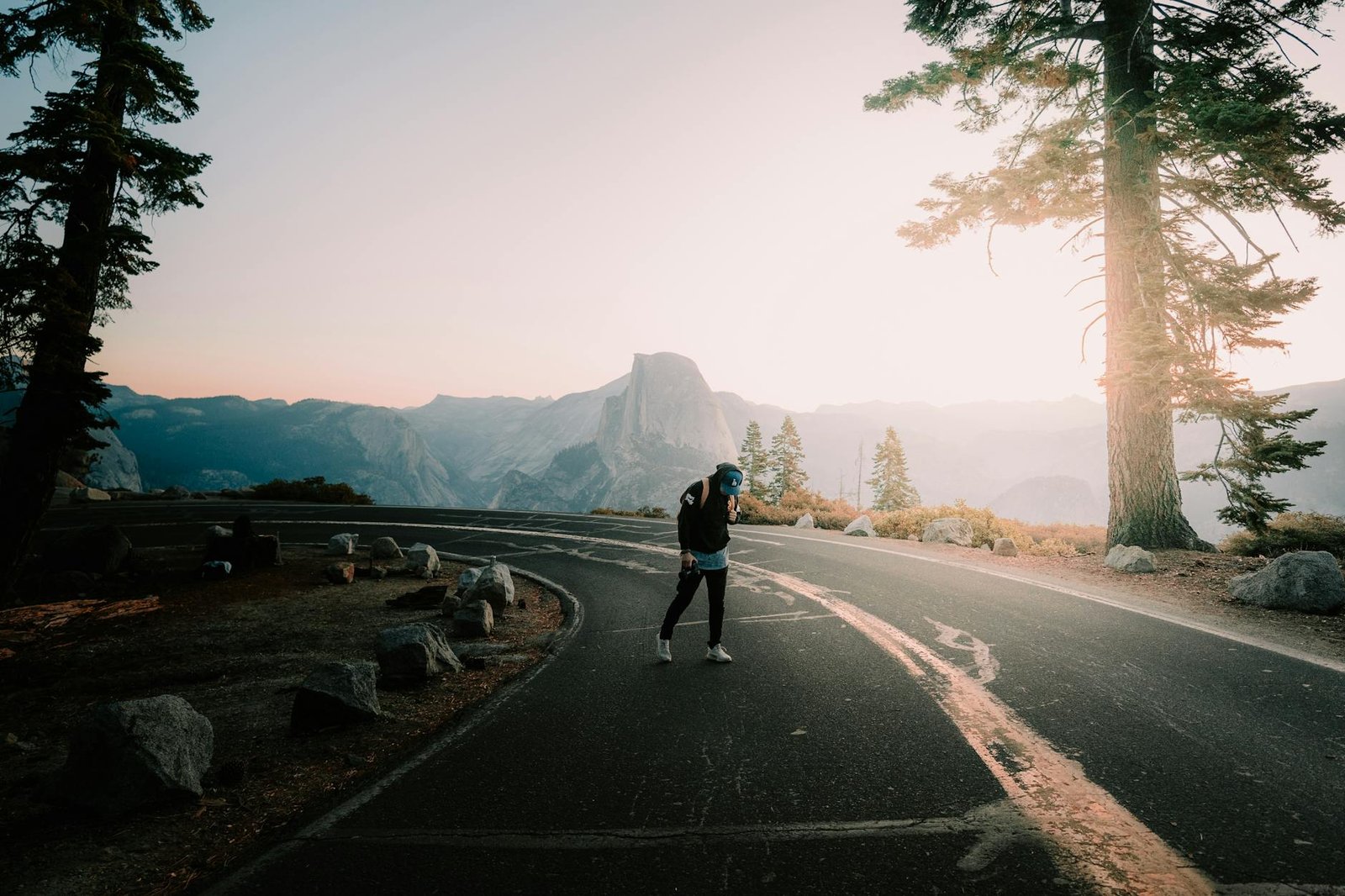
Yosemite National Park (California)
Status: No reservation required in 2026.
Yosemite ran a timed entry reservation system from 2020 through 2025. Originally a COVID-era pilot, the system required you to hold a recreation.gov reservation to enter the park between roughly 5 AM and 4 PM during peak season (May through September). For 2026, it’s gone.
The NPS pulled the plug for three reasons:
- Compliance fell short. NPS reported the system wasn’t hitting its compliance targets, with a notable share of visitors entering outside reservation windows and enforcement unable to keep up.
- Traffic shifted, not shrank. Visitors gamed the system by arriving before or after the reservation window, spreading congestion rather than cutting it.
- Access got less fair. The system hit spontaneous visitors, international tourists, and lower-income families hardest, the people least able to plan months ahead.
What replaces it: Yosemite is rolling out expanded Valley shuttle service, overflow parking at El Portal, and dynamic messaging signs on Highways 140 and 41 showing real-time parking availability. Arrive before 9 AM or after 3 PM on summer weekends to grab a parking spot without circling.
You still need to book these at Yosemite:
– Campground reservations (recreation.gov, open 5 months in advance on the 15th of each month)
– Half Dome permits (lottery in March, daily lottery for remaining spots)
– Wilderness permits for overnight backcountry trips
– Lodging reservations through the park concessionaire
(The reservation drop doesn’t mean Yosemite Valley will feel relaxed in July. It means the 9-11 AM parking crunch will hit harder than it did under the old system.)
Arches National Park (Utah)
Status: No timed entry ticket required in 2026.
Arches ran a $2 timed entry ticket from 2022 through 2025 after years of gridlock on the park’s single access road. You needed the ticket to enter between 7 AM and 4 PM during peak season (April through October). For 2026, the system is gone.
In the park’s February 2026 news release, Arches staff cited a broader reassessment of visitor management and a shift toward real-time capacity control instead of advance tickets. Rangers will now close the entrance when parking fills and reopen as spaces turn over, rather than rationing access months ahead.
What replaces it: A “lot full” closure. When parking hits capacity, rangers close the entrance and reopen as spaces turn over. Real-time status posts to the NPS Arches app and nps.gov/arch.
Practical anchor: Arrive before 8 AM during April through October. Once the park hits capacity (as early as 9-10 AM on summer weekends), expect a 1-2 hour wait for reentry.
Glacier National Park (Montana)
Status: No vehicle reservation required for Going-to-the-Sun Road in 2026.
Glacier required a $2 reservation to drive the Going-to-the-Sun Road corridor (Camas Road entrance on the west to St. Mary entrance on the east) from 6 AM to 3 PM during the road’s operating season, typically late June through mid-September, weather dependent. That requirement is gone for 2026.
Think of it like an airline overbooking policy that only applied to economy passengers. Tour buses were exempt from the reservation system, which meant the road could still hit capacity even with private vehicle limits in place. Add in the unpredictable opening and closing dates of a road that’s typically drivable for only 10-12 weeks, and visitors were booking reservations for dates when the road wasn’t even open yet.
What replaces it: Real-time road conditions and vehicle counts on the park website, plus an expanded free shuttle system along Going-to-the-Sun Road with more frequent stops and extended hours.
You still need to book these at Glacier:
– Campground reservations (recreation.gov)
– Backcountry camping permits (apply through the park’s backcountry office)
– Red Bus Tours and boat tours (booked through the park concessionaire)
(Going-to-the-Sun Road opens when the snowplows finish, not when the calendar says so. Check the park’s plowing status page before you commit to dates.)
Parks That Still Require Reservations in 2026
Not every park followed the drop-it trend. Several national parks and NPS sites kept their reservation or permit systems for 2026, and in each case, there’s a good reason the system stuck. Here’s exactly what you need to book, when, and how.
Rocky Mountain National Park (Colorado)
Status: Timed entry permit REQUIRED in 2026.
Rocky Mountain is the highest-profile park to keep its timed entry system, and for good reason. Unlike Yosemite and Arches, Rocky Mountain’s data showed the permits actually worked, with overcrowding dropping on Trail Ridge Road and at Bear Lake. The park renewed the program for 2026.
Two permit types:
| Permit | Hours | Area | Season |
|---|---|---|---|
| Bear Lake Road Corridor | 5 AM – 6 PM | Bear Lake Road, including all trailheads | Late May – mid-October |
| Rest of Park | 9 AM – 2 PM | All other entrances | Late May – mid-October |
The Bear Lake Road permit also covers the rest of the park. A rest-of-park permit doesn’t grant access to Bear Lake Road. Think of it as two tiers: Bear Lake is the all-access pass, rest-of-park is general admission.
- Permits carry a $2 Recreation.gov processing fee per reservation.
- Booking opens May 1 on recreation.gov for the full season.
- A small batch of permits drops at 7 PM MDT the day before each date.
How to get in without a permit: Enter before 5 AM or after 6 PM for the Bear Lake corridor, or after 2 PM for the rest of the park. No permit needed outside those windows.
Haleakala National Park (Maui, Hawaii)
Status: Sunrise reservation REQUIRED in 2026.
Haleakala has required advance reservations to enter the Summit District for sunrise (3 AM to 7 AM) since 2017. It’s one of the longest-running reservation systems in the NPS, and it isn’t going anywhere.
- Cost: $1 per reservation (plus the $30 park entrance fee, or an additional $100 per person if you’re a non-US resident).
- Booking window: Opens 60 days in advance at 7 AM HST on recreation.gov.
- Sell-out speed: Summer dates disappear within minutes of release. Set an alarm for 7 AM HST exactly 60 days before your visit date.
- No reservation is needed to enter the Summit District after 7 AM, visit the Kipahulu District, or hike in the crater.
If sunrise is sold out: Drive up for sunset instead. No reservation needed, and the light show above the clouds rivals the sunrise without the 3 AM wake-up call. You can also book a guided bike tour, since commercial operators hold reserved allocation blocks that don’t sell on recreation.gov.
Shenandoah National Park – Old Rag Mountain (Virginia)
Status: Day-use permit REQUIRED for Old Rag in 2026.
Old Rag is one of the most popular hikes on the East Coast, and its rock scramble section creates a natural bottleneck that gets dangerous when overcrowded. Shenandoah runs its day-use permit for this trail from March 1 through November 30 each year.
- Cost: $2 per permit (plus the $30 park entrance fee).
- Booking window: Opens 30 days in advance on recreation.gov. A second batch of tickets releases 5 days ahead of each date.
- Daily cap: Approximately 800 hikers.
- Scope: This permit covers Old Rag only. You don’t need a permit to enter Shenandoah National Park or hike any other trail.
Muir Woods National Monument (California)
Status: Parking and shuttle reservations REQUIRED in 2026.
Muir Woods has required advance parking reservations since 2018. There’s no general parking, so every vehicle needs a reserved spot or a shuttle ticket.
- Parking reservation: $9.50 per standard vehicle on gomuirwoods.com.
- Shuttle reservation: $4.00 per adult round trip from the Pohono Park & Ride in Sausalito. Children 15 and under ride free.
- Booking window: Opens 90 days in advance.
- Park entrance fee: $15 per person (ages 16+).
(Shuttle reservations are easier to score than parking spots during summer. If you’re flexible on how you get there, book the shuttle first.)
Other Parks and Sites with Permits or Reservations
| Park / Site | Requirement | Details |
|---|---|---|
| Zion National Park (Utah) | Angels Landing permit required | Year-round lottery via recreation.gov. $6 non-refundable application fee (up to 6 people per application), plus $3 per person if selected. Seasonal lottery applications close mid-month for the following month; day-before lottery runs 12:01 AM – 3 PM MT. |
| Denali National Park (Alaska) | Bus reservation required beyond Mile 15 | Private vehicles can’t drive the Park Road beyond Mile 15. Bus tickets ($30-$60+) on recreation.gov. Book as early as possible for summer dates. |
| Carlsbad Caverns (New Mexico) | Self-guided tour reservation required | $1 reservation on recreation.gov, plus $15 entrance fee. Walk-ups available if not sold out. |
| Crater Lake (Oregon) | No reservation required in 2026 | Crater Lake considered but didn’t implement a reservation system. Expect heavy traffic on Rim Drive in July and August. |
| Acadia National Park (Maine) | Cadillac Mountain vehicle reservation | $6 reservation for sunrise or daytime slots via recreation.gov. Required May through October. |
Complete 2026 National Park Reservation Table
Every major national park reservation and permit requirement in one table. Bookmark this page since it’s updated when NPS announces changes. Unless noted, all reservations are booked through Recreation.gov.
| Park | Reservation Required? | Type | Dates | Cost |
|---|---|---|---|---|
| Yosemite | No (dropped for 2026) | – | – | – |
| Arches | No (dropped for 2026) | – | – | – |
| Glacier (GTSR) | No (dropped for 2026) | – | – | – |
| Rocky Mountain | Yes | Timed entry permit | Late May – mid-Oct | $2 |
| Haleakala (sunrise) | Yes | Timed entry reservation | Year-round, 3-7 AM | $1 |
| Shenandoah (Old Rag) | Yes | Day-use permit | Mar 1 – Nov 30 | $2 |
| Muir Woods | Yes | Parking/shuttle reservation | Year-round | $9.50 parking / $4.00 shuttle |
| Zion (Angels Landing) | Yes | Hiking permit (lottery) | Year-round | $6 application + $3/person if selected |
| Acadia (Cadillac Mtn) | Yes | Vehicle reservation | May – October | $6 |
| Denali (Park Road) | Yes | Bus ticket | Late May – mid-Sept | $30-$60+ |
| Carlsbad Caverns | Yes | Tour reservation | Year-round | $1 |
Muir Woods is the exception, with parking and shuttle reservations at gomuirwoods.com.
Booking Windows and Key Dates You Can’t Miss
Miss a booking window and you miss the trip. Most of these are booked through Recreation.gov unless noted otherwise.
| What | When It Opens |
|---|---|
| Rocky Mountain timed entry (full season) | May 1 |
| Rocky Mountain day-before permits | 7 PM MDT day before |
| Haleakala sunrise reservations | 60 days in advance, 7 AM HST |
| Shenandoah Old Rag permits | 30 days in advance (+ second batch 5 days out) |
| Muir Woods parking/shuttle | 90 days in advance (gomuirwoods.com) |
| Zion Angels Landing seasonal lottery | Applications close mid-month |
| Zion Angels Landing day-before lottery | 12:01 AM – 3 PM MT, day before |
| Acadia Cadillac Mountain | Opens in spring (date TBD) |
| Half Dome (Yosemite) preseason lottery | March |
| Half Dome daily lottery | 2 days before |
Set calendar reminders now. Haleakala sunrise reservations and Rocky Mountain full-season permits sell out within hours of opening. If you wait until the week of your trip, you’re checking for cancellations, not booking.
How Fees and Reservations Stack
The reservation changes don’t exist in a vacuum. Most major parks now charge a $35 standard vehicle fee for a 7-day pass, and the $80 America the Beautiful Annual Pass still covers the holder and everyone in the vehicle at drive-in entrances.
What’s genuinely new in 2026 is the $100 nonresident surcharge at 11 high-visitation parks (Yellowstone, Grand Canyon, Zion, Rocky Mountain, Glacier, Yosemite, Grand Teton, Acadia, Great Smoky Mountains, Olympic, and Joshua Tree). The surcharge applies to non-US residents aged 16 and older. US citizens and permanent residents (green card holders) are exempt. A non-US resident visa holder, even one living in the US, still pays the surcharge at the gate unless admitted under an Annual or America the Beautiful Pass.
Here’s where the systems stack. An international visitor driving into Rocky Mountain pays the $2 timed entry processing fee, the $35 vehicle entrance fee, AND the $100 surcharge, for $137 per vehicle before you’ve even parked. The $250 Nonresident Annual Pass eliminates the surcharge at all 11 surcharge parks and pays off on the third surcharge-park visit. For the full breakdown (fee-free days, the 11 surcharge parks, and a decision tree for whether to buy a pass), see the 2026 national park fees guide.
Visiting Parks That Dropped Reservations (Without Losing Your Mind)
Yosemite, Arches, and Glacier without reservations means easier spontaneous access and heavier crowds. No timed entry controlling the flow means the morning rush concentrates between 8-11 AM with no throttle. Here’s how to work around it.
Arrive Early or Late
- Before 8 AM: Trailhead and viewpoint parking lots are manageable. At Yosemite Valley, pull in before 9 AM to park near Lower Yosemite Fall and the Valley View trailheads without circling.
- After 3 PM: The afternoon exodus creates turnover. Parking opens up, and golden-hour light hits the canyon walls while crowds thin.
- Tuesday through Thursday: Midweek visitation runs noticeably lower than weekend peaks at most parks. Shifting one day makes a measurable difference.
Use Park Shuttles
All three parks are expanding shuttle service in 2026:
- Yosemite: Free Valley shuttle runs every 12-20 minutes. A new El Portal overflow shuttle launches for 2026 to absorb the parking pressure.
- Glacier: Going-to-the-Sun Road shuttle with expanded hours and more frequent stops.
- Arches: No shuttle, but the park posts real-time capacity on its app so you know before you drive in whether the gate’s open.
Build in a Backup Plan
When a park hits capacity and closes the entrance, standing in line burns your day. Build flexibility into your itinerary:
- Near Yosemite: Sequoia and Kings Canyon are 2.5 hours south. Hetch Hetchy (Yosemite’s quieter northwest section) rarely fills. Mariposa Grove opens earlier than the Valley.
- Near Arches: Canyonlands Island in the Sky district sits 30 minutes away with a fraction of the crowd. Dead Horse Point State Park and Colorado National Monument are both within an hour.
- Near Glacier: Flathead National Forest and Jewel Basin Hiking Area are alternatives on the west side. Inside the park, Two Medicine and Many Glacier see far less traffic than Going-to-the-Sun Road.
Download the NPS App Before You Leave Home
The official NPS app pushes real-time alerts for parking lot closures, road conditions, and capacity status. Enable notifications for the parks on your itinerary so you get the closure alert while you’re still at the hotel, not at the gate.
What if Reservations Are Sold Out?
If you need a permit for Rocky Mountain, Haleakala, or another reservation-required park and every slot shows sold out, don’t panic. You’ve still got options:
- Hunt cancellations. Recreation.gov releases cancelled reservations back into the pool. Check frequently in the days before your visit, especially morning and evening. The closer to the date, the more cancellations appear.
- Hit the day-before window. Rocky Mountain drops a batch of permits at 7 PM MDT the day before each date. Haleakala has limited walk-up availability.
- Shift your timing. At Rocky Mountain, enter the Bear Lake corridor before 5 AM or after 6 PM without a permit. At Haleakala, skip the sunrise slot and visit the summit after 7 AM, since no reservation is needed and the crater views are identical.
- Book a guided tour. Commercial operators at Haleakala and Denali hold reserved allocations. The guided tour costs more but guarantees access.
- Move your dates by one day. Shifting from Saturday to Monday opens up dramatically more availability. One day of flexibility is often the difference between a permit and a waitlist.
Get Free Park Alerts
Permit windows, fee-free days, campsite openings, and seasonal condition reports, delivered to your inbox. Join thousands of park planners who never miss a window.
Frequently Asked Questions
Do you need reservations for national parks in 2026?
It depends on the park. Most national parks don’t require reservations. In 2026, the parks that require advance booking include Rocky Mountain (timed entry, $2 processing fee), Haleakala (sunrise), Shenandoah’s Old Rag trail (day-use permit), Muir Woods (parking), Zion’s Angels Landing (hiking permit), Acadia’s Cadillac Mountain (vehicle reservation), Denali (bus tickets), and Carlsbad Caverns (tour reservation). Yosemite, Arches, and Glacier dropped their reservation requirements for 2026.
Did Yosemite drop reservations for 2026?
Yes. Yosemite eliminated its timed entry reservation system for 2026. You can drive into Yosemite at any time without an advance reservation. You still need reservations for camping, Half Dome permits, wilderness permits, and lodging. Expect larger crowds during peak summer months since there’s no longer a cap on vehicle entries.
Does Glacier National Park still require reservations?
No. Glacier dropped its Going-to-the-Sun Road vehicle reservation for 2026. You no longer need to book in advance to drive the road. The park will use real-time capacity management and expanded shuttle service instead. You still need reservations for campgrounds and backcountry permits.
Do you need reservations for Arches National Park in 2026?
No. Arches discontinued its timed entry ticket system for 2026, citing a shift to real-time capacity control rather than advance tickets (NPS news release, Feb 2026). The park closes the entrance when lots fill and reopens as spaces become available. Arrive before 8 AM during peak season to avoid closures.
How do I get Rocky Mountain National Park timed entry permits?
Rocky Mountain timed entry permits for the 2026 season are available on recreation.gov starting May 1. Each permit carries a $2 Recreation.gov processing fee and is required from late May through mid-October. Choose either a Bear Lake Road corridor permit (5 AM – 6 PM, includes rest of park) or a rest-of-park permit (9 AM – 2 PM). A small batch of permits drops at 7 PM MDT the day before each date.
What is the new national park fee for international visitors?
Starting in 2026, non-US residents aged 16 and older pay a $100 nonresident surcharge at 11 high-visitation national parks (Yellowstone, Grand Canyon, Zion, Rocky Mountain, Glacier, Yosemite, Grand Teton, Acadia, Great Smoky Mountains, Olympic, and Joshua Tree). This is in addition to the standard entrance fee ($35 per vehicle at most surcharge parks). US citizens and permanent residents (green card holders) are exempt. A non-US resident visa holder, even one living in the US, still pays the surcharge at the gate unless admitted under an Annual or America the Beautiful Pass. Full breakdown in the 2026 national park fees guide.
Are reservations for Rocky Mountain free?
No. Rocky Mountain timed entry carries a $2 Recreation.gov processing fee per reservation. You also pay the $35 park entrance fee (or use an America the Beautiful Annual Pass). International visitors also pay the $100 nonresident surcharge.
Plan Your Trip
Use this checklist to lock in everything before your 2026 national park visit.
Step 1: Check the reservation table above. Does your park require a reservation, permit, or ticket?
Step 2: Set your calendar alerts. Mark when reservations open: May 1 for Rocky Mountain, 60 days out for Haleakala, 30 days out for Old Rag. Be logged into recreation.gov with payment saved 5-10 minutes before release time.
Step 3: Book on recreation.gov. Create an account at recreation.gov before your booking window opens. The site gets hammered the moment permits drop, and a saved account and payment method shave critical seconds.
Step 4: Plan for parks without reservations. If you’re visiting Yosemite, Arches, or Glacier, arrive early, line up a backup destination, and download the NPS app for real-time capacity alerts.
Step 5: Budget for 2026 fees. Factor in the $35 entrance fee (or $80 annual pass), any reservation fees, and the $100 nonresident surcharge if applicable. For the full 2026 fee breakdown, read the 2026 national park fees guide. For programming around the July 4 pinnacle, see the America 250 national parks guide.
Step 6: Book campgrounds and lodging separately. Campsite and lodge reservations inside national parks fill months in advance. Check recreation.gov and the park concessionaire websites now, not later.
Last updated: April 17, 2026. This guide is updated as the NPS announces changes. Reservation policies, fees, and dates are sourced from nps.gov and recreation.gov. Always verify directly with the park before your visit.